

La desinformación en salud, un fenómeno social: nuevo artículo del INDESS en The Conversation 28 October 2026
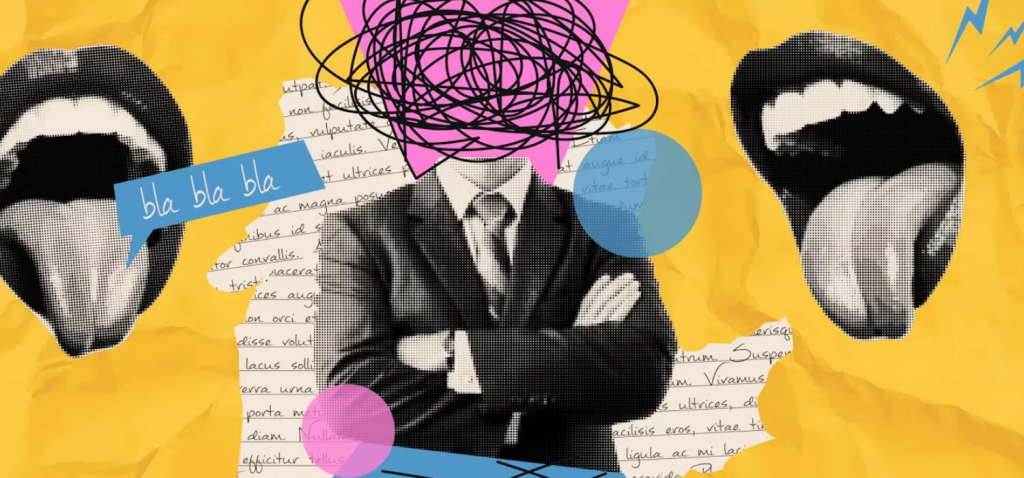
Un nuevo artículo en The Conversation, firmado por Javier Álvarez Gálvez, defiende que combatir los bulos sanitarios exige actuar también sobre el contexto social y reforzar la confianza en las instituciones y en los profesionales de la salud.
El INDESS participa en la divulgación científica con un nuevo artículo en The Conversation titulado “Cómo combatir la desinformación en salud: cuando verificar y corregir no basta”. El texto está firmado por Javier Álvarez Gálvez, director del INDESS y profesor titular de Salud Poblacional y Ciencia de Datos Sociales/Sanitarios de la Universidad de Cádiz.
El artículo parte de una idea clave: la desinformación sanitaria no es solo un problema de mentiras que corregir, sino un fenómeno social que se produce, se amplifica y se mantiene dentro de un ecosistema digital a menudo polarizado. Desmentir una afirmación falsa con datos sigue siendo necesario, pero la evidencia acumulada muestra que, por sí solo, no es suficiente.
Para sostener este planteamiento, el trabajo recurre a los resultados de una revisión sistemática de la literatura científica, que identifica que la desinformación en salud se concentra en unos pocos ámbitos especialmente sensibles y que, en algunas redes sociales, la proporción de contenidos engañosos puede ser muy elevada. También recoge los resultados de una encuesta representativa realizada en España, que distingue tres perfiles ante los bulos sobre covid-19: convencidos, indecisos y escépticos.
Uno de los mensajes centrales es que la susceptibilidad a creer y compartir información falsa se relaciona menos con la falta de información que con factores como la desconfianza institucional, la posición socioeconómica o el posicionamiento político. Por ello, concluye, las estrategias de verificación deben acompañarse de medidas que refuercen la confianza en las instituciones y en los profesionales sanitarios.
El artículo completo puede leerse en The Conversation.